
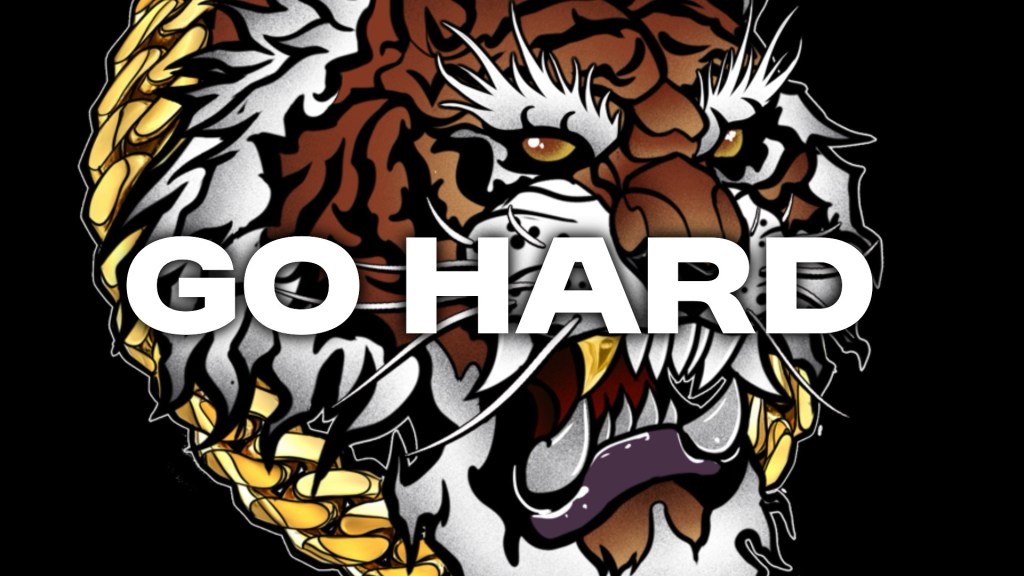
What Is the Best Size for a First Tattoo? Go Big or Go Small
Let me break it down for you—tattoos are all about the art and how it fits your body. For bold, detailed designs, you need to think big. Your body is a canvas, and big spaces deserve big, impactful art. On the flip side, fine line tattoos are a whole different game. These delicate designs are meant to be small and understated, highlighting certain anatomical features with precision and grace. Here’s how to decide what works best for you—and how to respect the art of collecting tattoos without looking like a fool.
—
Go Big or Go Home
If you want something that stands out, you have to approach it like a masterpiece. Forget the idea of some tiny little tattoo on a large area—that’s a waste of your canvas.
1. The Anatomy of a Canvas:
Big areas like your arm, chest, back, or leg are made for bold designs. A larger tattoo uses the space to its fullest, creating something that flows with your body.
2. More Detail, More Impact:
Larger tattoos allow for shading, texture, and storytelling. They’re meant to grab attention and showcase the artistry.
3. Long-Term Satisfaction:
Trust me, if you start with something too small on a big area, you’ll regret it later. Big tattoos look intentional and professional.
—
Fine Line Tattoos: Small, Delicate, and Beautiful
On the contrary, fine line tattoos are all about subtlety. These designs aren’t meant to cover the entire canvas but instead enhance certain anatomical features with elegance.
1. Delicate and Cute:
Fine line tattoos are minimalist by nature. Think of them as accents—tiny details that add charm without overpowering.
2. Anatomical Flow:
These tattoos follow the flow of your body. A single line can underline the curve of a collarbone, wrist, or spine, creating a natural, effortless look.
3. Small by Design:
Fine line tattoos work best when they’re kept small and precise. They’re not about filling space—they’re about complementing it.
—
For the Collector: Respect the Style and Flow
Of course, I respect the collector—the person who collects tattoos like treasures from different artists and places. But there are rules to collecting if you want it to look good.
1. Stay True to the Style:
Each anatomical part should stick to one style. For example, if you’re doing traditional tattoos on your arm, stay with traditional. Mixing styles on the same body part can make it look chaotic.
2. Start at the Bottom and Work Up:
Always start with tattoos on the lower part of the body or limb and collect upwards. For instance, if you’re working on your arm, start at the wrist and work your way up. This avoids the awkward look of having one tiny tattoo floating in the middle of your forearm. Trust me, you’ll thank me later.
3. Cohesion is Key:
Even if your tattoos are from different artists, they should flow together. The overall composition should look intentional, not random.
—
Thinking About a Sleeve? Plan Ahead
If you’re considering a sleeve, remember this: composition is everything. A sleeve is about flow, balance, and storytelling. Random tattoos pieced together over time rarely look cohesive.
Here’s the plan:
Start with the Big Picture: Even if we begin with one section, let’s design the sleeve as a whole.
Respect the Canvas: The arm is a dynamic space. Let’s make it work for you, not against you.
—
My Approach
Whether you’re going for something bold and impactful, small and delicate, or building a collection, I’ll help you create the perfect tattoo. We’ll look at your canvas—your body—and decide what works best to bring your vision to life.
So, are you ready to go big, keep it subtle, or add to your collection? Book your session in Escondido or La Jolla, and let’s make something unforgettable.
—
 Aleks Pon
Leave a comment